Signs of Unresolved Trauma: What Your Body Has Been Trying to Tell You
You do not remember deciding to become this way. You do not remember choosing to flinch at raised voices, or to go completely blank in the middle of a conversation that should not feel threatening. You do not remember learning to scan every room you walk into, or to rehearse what you are going to say before you say it, just in case.
But your body remembers something. And it has been responding to that something for years.
The signs of unresolved trauma are not always what people expect. They are not flashbacks or nightmares, not necessarily. More often, they are the quiet things. The patterns that feel like personality. The reactions that feel like overreactions. The exhaustion that no amount of sleep seems to fix. Unresolved trauma, particularly unresolved childhood trauma, does not announce itself. It hides inside the things you have always done, the ways you have always been, until someone or something makes you wonder whether it was ever really a choice at all.
In my therapy practice, I see this regularly. People arrive not because they know they are carrying trauma, but because something in their life has stopped working. A relationship. Their sleep. Their ability to feel present. And when we trace it back, the signs were there all along.

What Signs of Unresolved Trauma Actually Look Like in Adults
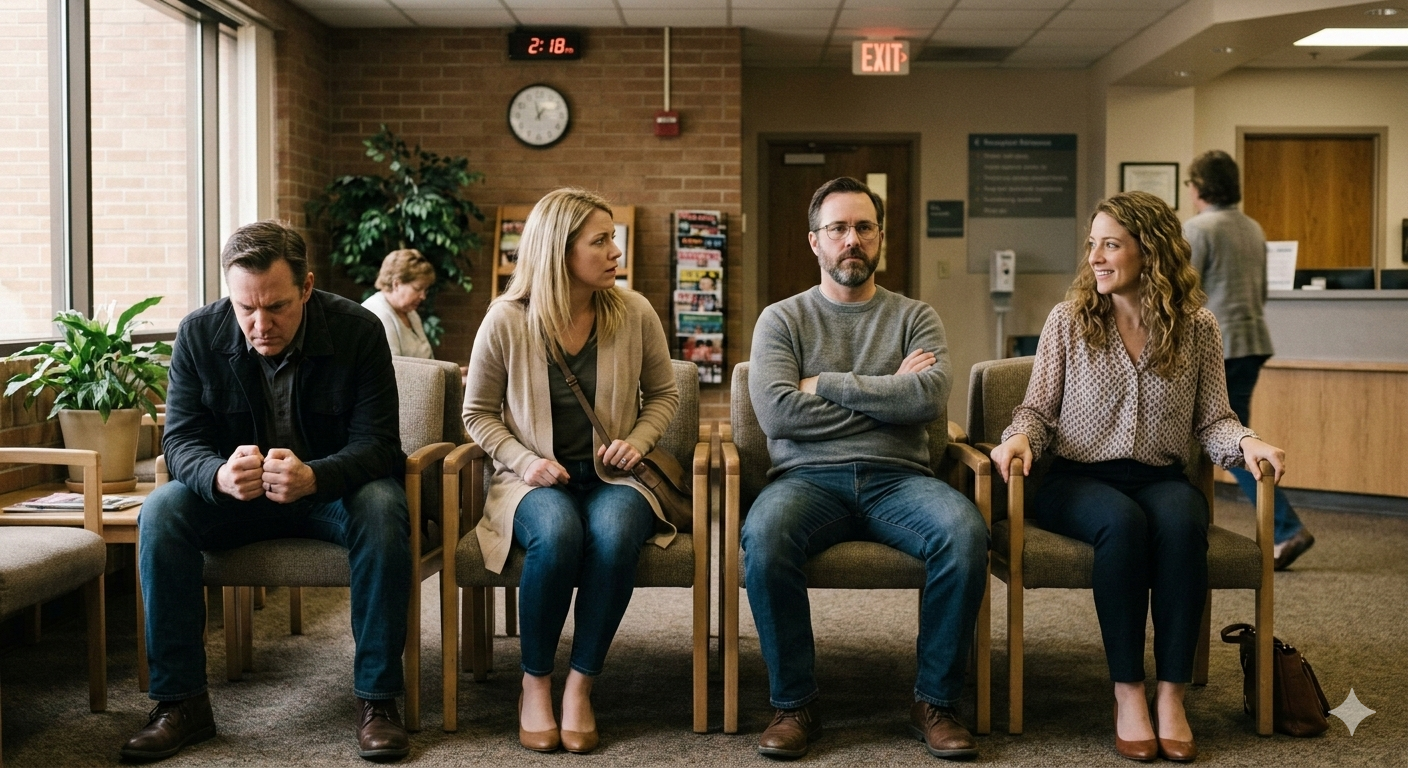
Most people who carry unresolved trauma do not identify as traumatised. That word feels too big, too dramatic for what happened to them. Maybe nothing happened at all, at least not in the way people usually mean. No single event. No obvious abuse. Just a childhood where you learned that your feelings were too much, or not enough, or dangerous.
The signs of unresolved trauma in adults tend to show up as patterns rather than memories. You might notice that you:
React to small things as though they are enormous. A cancelled plan feels like abandonment. A slightly off tone in a text message sends your whole nervous system into high alert. You know it is disproportionate. You cannot stop it.
Struggle to stay present. Your mind drifts. Conversations happen around you but you are somewhere else. People have told you that you seem distant, and you cannot argue with them because you feel it too.
Feel exhausted without explanation. Not physically tired from doing too much, but drained in a deeper way. The kind of tired that sleep does not touch. Your body is spending energy keeping something at bay, even when you are not aware of it.
Avoid things you cannot explain avoiding. Intimacy. Conflict. Success. Rest. You have built a life around the edges of something, without ever naming what the something is.
I know these patterns because I lived inside them for years before I understood what trauma actually is. I thought I was just someone who ran hot. Someone who worked too hard, reacted too fast, needed too little from other people. It was not until I started training as a therapist that I recognised those things for what they were. Not personality. Protection.
Why Unresolved Trauma Stays Hidden for So Long
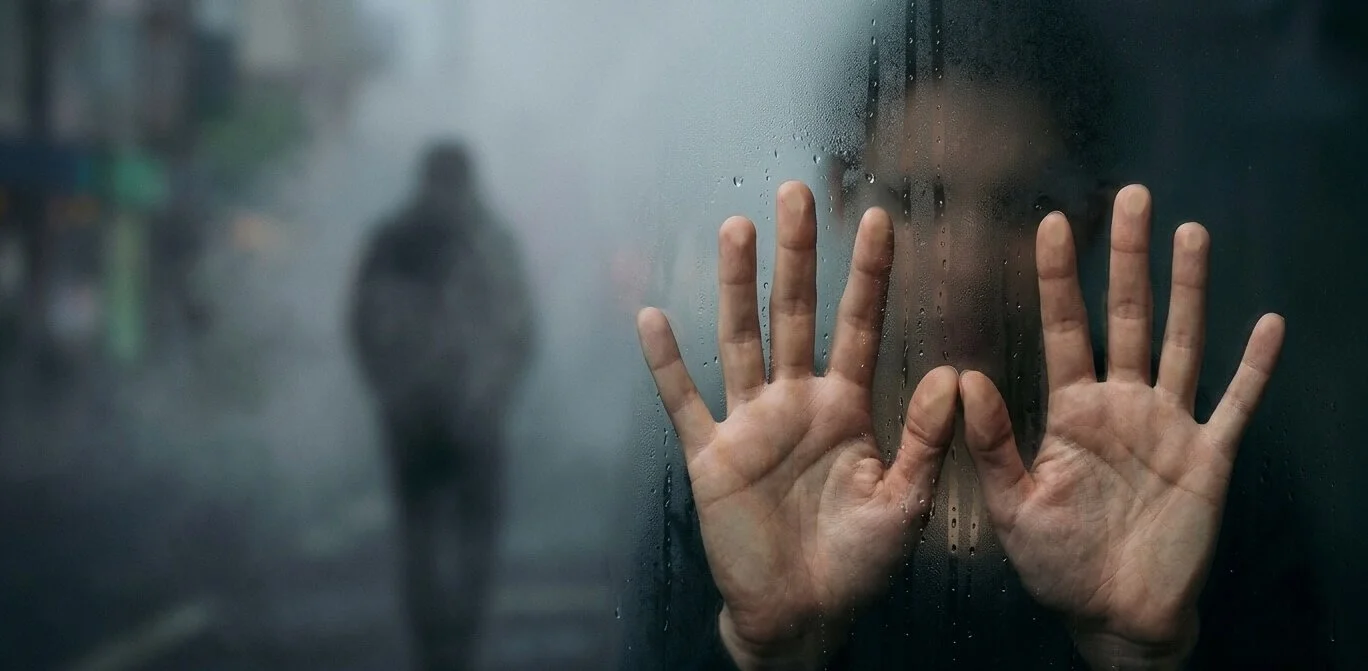
Trauma is clever. Or rather, your survival system is clever. It learned, a long time ago, exactly how to keep you safe. And it has been running that program ever since, so seamlessly that you stopped noticing it was there.
This is what makes unresolved childhood trauma so difficult to spot from the inside. The coping mechanisms you developed as a child became your baseline. They feel normal because they are all you have ever known. Shutting down emotionally does not feel like a trauma response when it is the only way you have ever handled conflict. People-pleasing does not feel like survival when you have been doing it since you were seven.
The signs stay hidden because they work. That is the uncomfortable truth. Your nervous system is not malfunctioning. It is doing exactly what it learned to do. The problem is that what kept you safe at eight years old is now keeping you stuck at thirty-five.
And the longer a pattern runs without being recognised, the more it feels like identity rather than injury.
Your Body Already Knows: How the Survival Cycle Explains These Signs
Every one of these signs traces back to the same process. Something in your present echoes something from your past, and your body responds before your mind has a chance to catch up. This is what I call the Survival Cycle, a six-stage framework that maps how your nervous system moves from trigger to protective behaviour.
It starts with a trigger. Not always obvious. Sometimes it is a tone of voice, a feeling of being overlooked, uncertainty about where you stand with someone. Your body picks up the echo before you consciously register it.
Then your body responds. Heart rate shifts. Breathing changes. Gut tightens. This happens in milliseconds, long before any thought or feeling arrives. Your nervous system has already decided: this is not safe.
From there, your survival response activates. Fight, flight, freeze, or fawn. Whichever one your body learned would keep you safest, back when you were too young to choose. This is not a decision. It is a pattern.
Your state in that moment shapes how intense the response is. How much sleep you have had. How much stress you are already carrying. Whether you feel safe in the relationship around you. This is why the same trigger can feel manageable one day and overwhelming the next.
Then your mind responds, creating a story to explain what your body is already feeling. The inner critic arrives. The urgent planning starts. The shame. None of it is truth. It is your brain trying to make sense of a body that has already made its move.
And finally, the protective behaviour. The scrolling, withdrawing, overworking, numbing, snapping. Not character flaws. The end point of a cycle that started before you were aware it was happening.
The Signs People Miss Because They Look Like Something Else
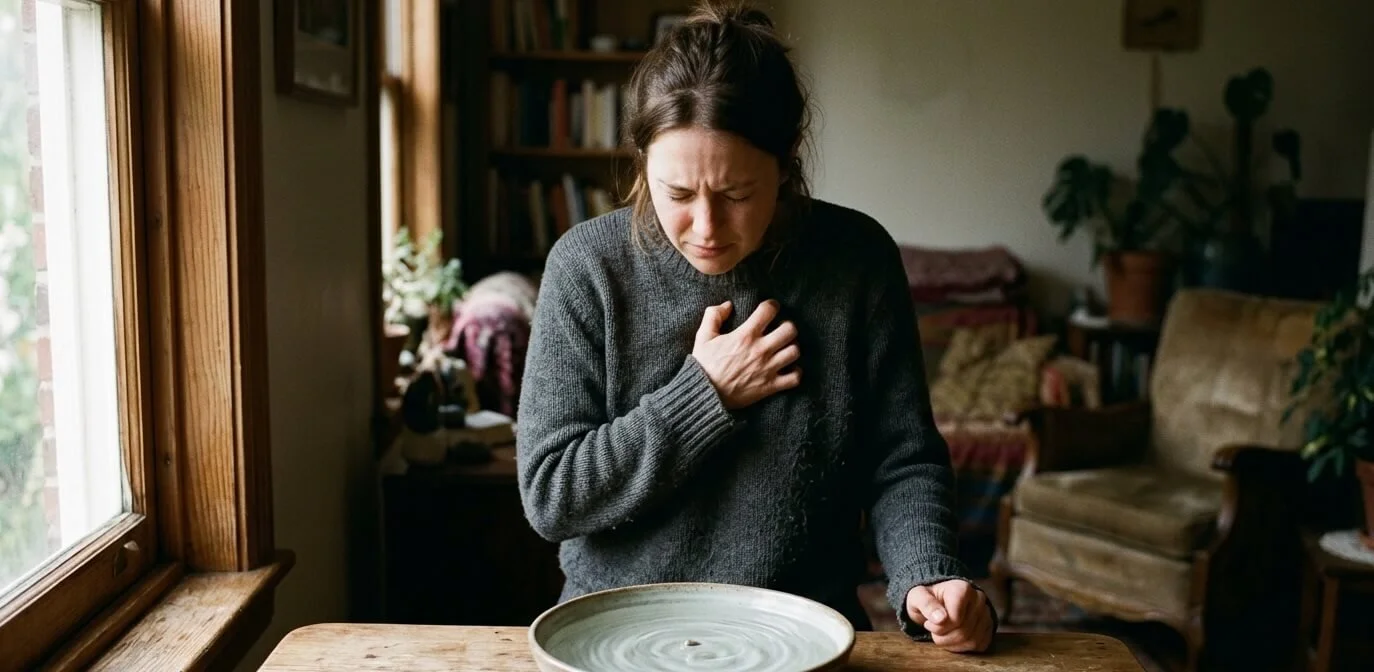
Unresolved trauma disguises itself. It wears the costume of other things, things that feel more acceptable or more explainable. Here is what it often looks like from the outside:
Perfectionism that looks like ambition. You push yourself relentlessly, not because you love the work, but because stopping feels dangerous. If you slow down, something might catch up with you.
Emotional numbness that looks like calm. People say you are laid-back, easygoing, hard to rattle. The truth is you cannot access your feelings. They went underground a long time ago and you do not know how to reach them anymore.
Anxiety that seems to come from nowhere. You cannot point to a reason. Your life is fine, by most measures. But your nervous system is on permanent alert, scanning for threats that are no longer there. If this resonates, anxiety therapy can help you understand why your body stays stuck in that vigilant state.
Relationship patterns that keep repeating. You choose the same kind of person. You create the same kind of distance. You leave before you can be left, or you stay long past the point where staying makes sense.
A deep sense of toxic shame that tells you something is fundamentally wrong with you. Not something you did, but something you are. This is one of the most painful signs of unresolved childhood trauma, and one of the hardest to name because it feels like fact rather than feeling.

What Changes When You Recognise It
Nothing about you needs to be fixed. That is the first thing. The signs of unresolved trauma are not evidence that you are broken. They are evidence that your nervous system did its job. It kept you safe in a situation where safety was not guaranteed, and it has been running that same programme ever since.
But recognition changes something. When you start to see a reaction as a survival response rather than a personal failing, the shame around it begins to loosen. You stop asking "what is wrong with me" and start asking "what happened to me." That shift, quiet as it is, changes everything.
I remember the moment that shift happened for me. I had spent years believing I was just difficult. Intense. Too much for people. When I finally understood that my reactions were not personality but protection, something softened. Not overnight. But the ground moved.
This is what trauma therapy offers. Not a program to follow or homework to complete. A space where those patterns can finally be seen for what they are, understood in context, and gradually, at your own pace, released.
If you recognise yourself in any of this, you do not need to have it all figured out before reaching out. You do not need to know whether what you experienced "counts" as trauma. You just need to be curious about why your body does what it does. That is enough.
A Soft Next Step
I am not currently taking on new clients, but I am keeping a waitlist. If something here has landed, you can add your name and I will be in touch as soon as a space opens. No pressure and no commitment, just a way to stay connected for when the time feels right.
Frequently Asked Questions
-
The most common signs include emotional reactivity that feels disproportionate, difficulty staying present, chronic exhaustion that sleep does not fix, patterns of avoidance you cannot fully explain, and a persistent sense that something is wrong with you rather than something that happened to you. These signs often feel like personality traits rather than responses to past experience.
-
Yes. Trauma is stored in the body and nervous system, not just in conscious memory. Many people carry unresolved trauma from early childhood, a time before explicit memory was fully developed. The body remembers through patterns, reactions, and survival responses even when the mind has no clear narrative of what occurred.
-
In adults, unresolved childhood trauma often appears as difficulty with emotional regulation, challenges in relationships, perfectionism or people-pleasing, chronic shame, anxiety without clear cause, and a tendency to shut down or disconnect during conflict. These patterns developed as survival strategies in childhood and continued into adult life without being recognised as trauma responses.
-
Anxiety rooted in unresolved trauma often feels physical before it feels emotional. It may appear without an obvious trigger, feel disproportionate to the situation, or be accompanied by a sense of vigilance or scanning for danger. If your anxiety feels like your body is responding to something your mind cannot identify, it may be connected to unresolved experience rather than present-day circumstances.
-
Yes. The nervous system that learned to protect you through these patterns can also learn that those patterns are no longer needed. Trauma therapy works by helping you understand your survival responses in context, building awareness of the cycle your body runs through, and gradually expanding your capacity to respond differently. Healing does not mean forgetting. It means your past stops running your present.
-
No. Many people begin therapy knowing only that something feels off, that their reactions do not match their circumstances, or that patterns keep repeating despite their best efforts. A good therapist will not require you to have a clear trauma narrative. The work often begins with what is happening now, in your body and your life, and traces back from there.