Do I Hate My Sister? Sibling Rivalry in Adulthood Explained

There is a thought some people carry for years without ever saying out loud.
“I think I actually hate my sister.”
It usually arrives with a wave of shame. You tell yourself you should not feel this way. That she is family. That family is supposed to mean something.
But the feeling keeps coming back.
Sibling rivalry in adulthood is more common than most people realise, and the feelings behind it often run much deeper than the arguments on the surface. If you have ever asked yourself “do I hate my sister?”, this post is for you. Not to fix anything. Just to help you understand what might really be going on underneath it.
Why sibling rivalry in adulthood runs deeper than you think
Most people assume sibling resentment is about the sibling. The things she said. The way she was treated differently. The arguments that never got resolved.
Sometimes that is part of it.
But in my experience, the deeper story almost always points somewhere else. It points to what was happening in the family around you, and to what neither of you was getting enough of.
When parents can provide consistent warmth, attention, and emotional support, children do not usually grow up resenting each other. They might argue. They might compete. But underneath that, they feel safe enough to be on the same side.
When parents cannot provide that, something different happens.
When there is not enough to go around
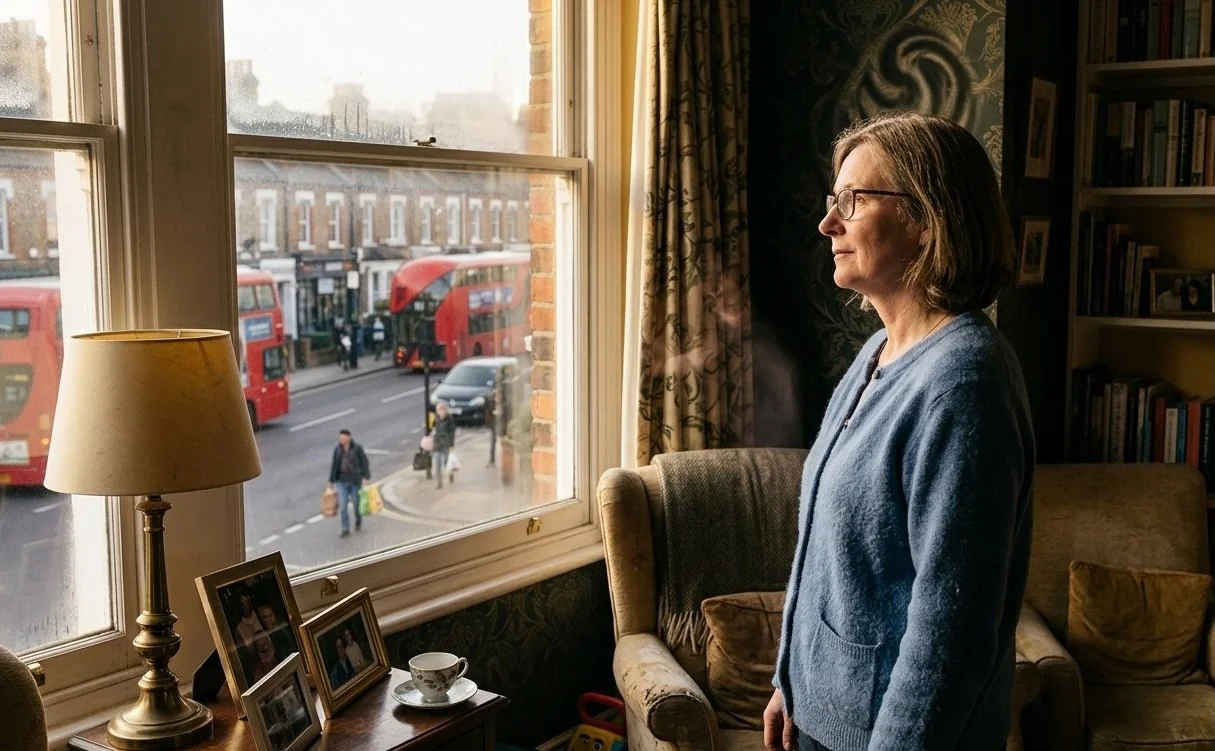
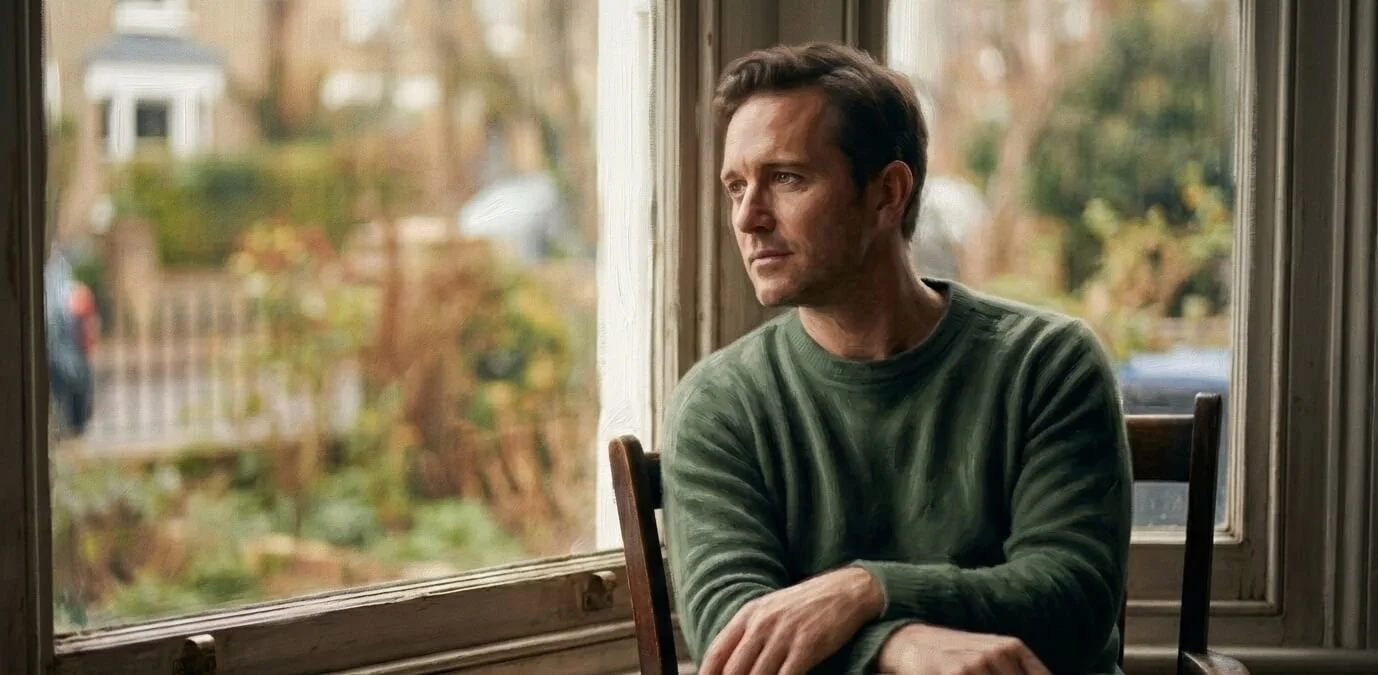
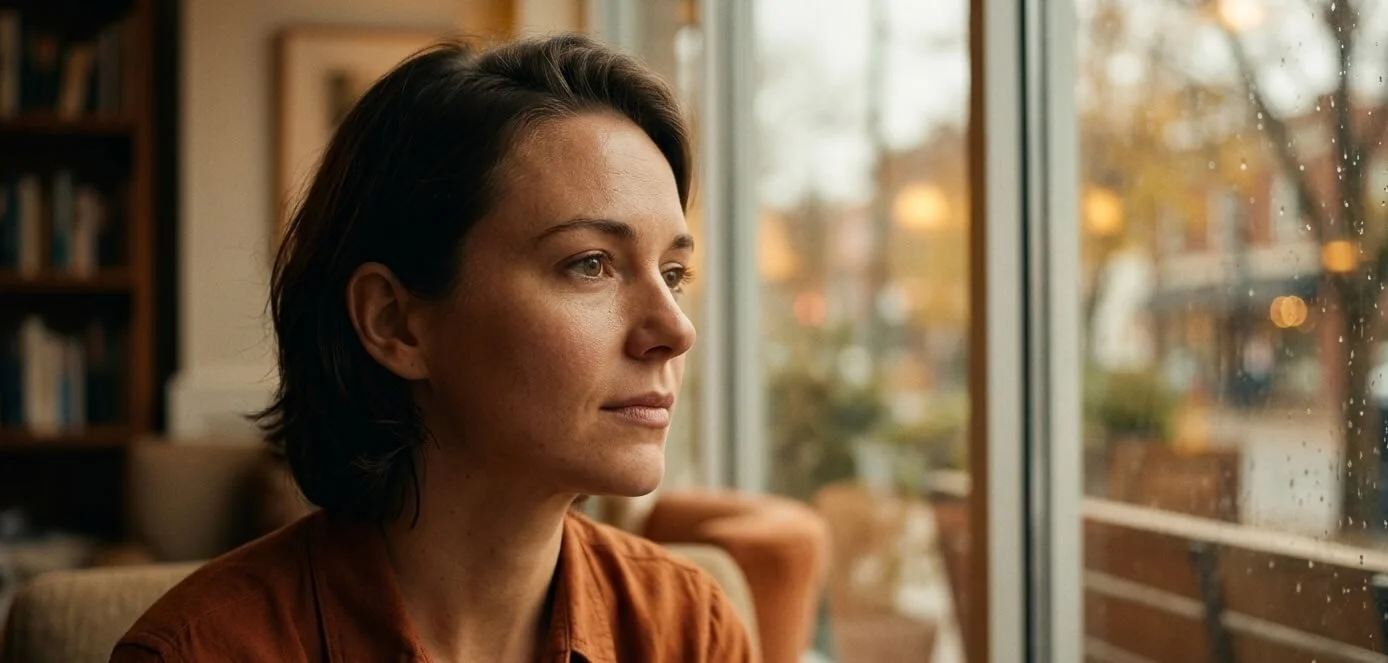
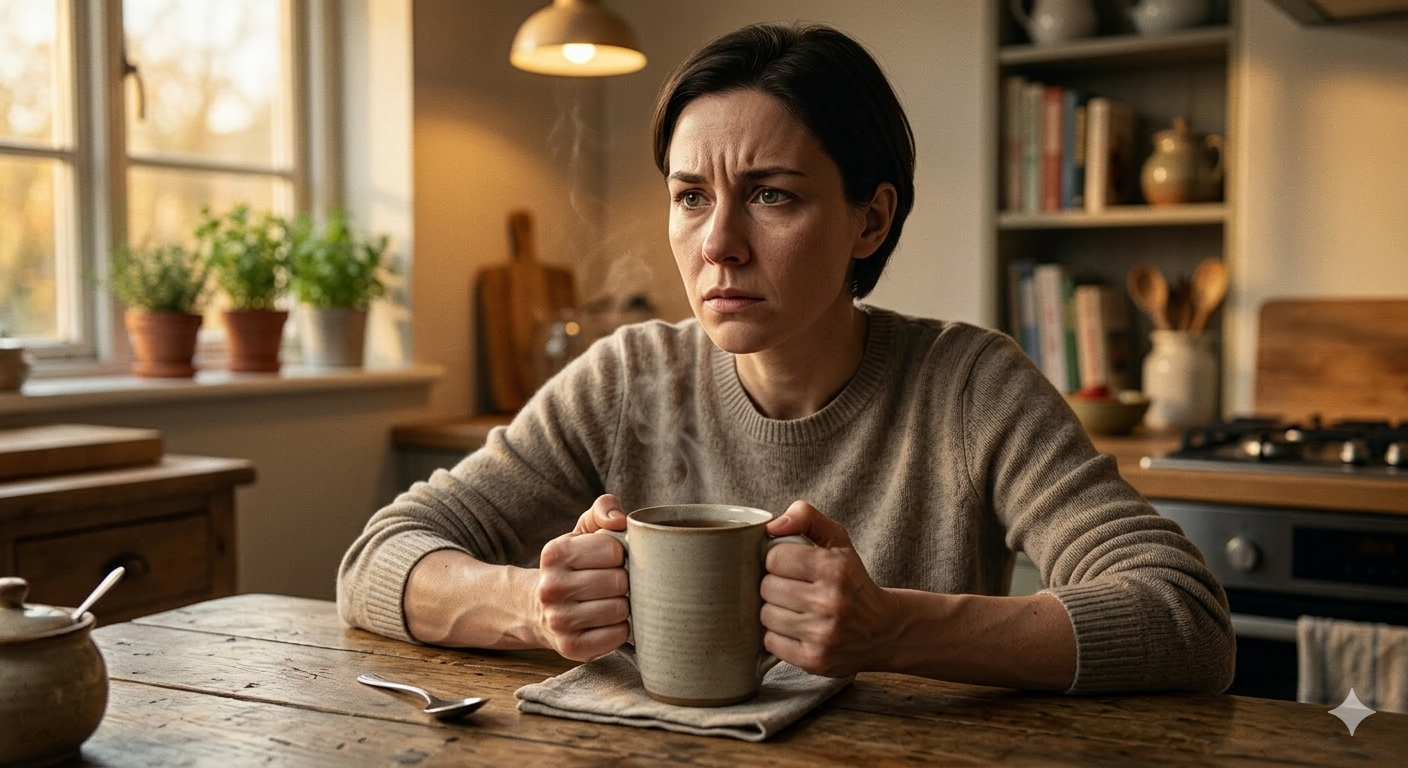
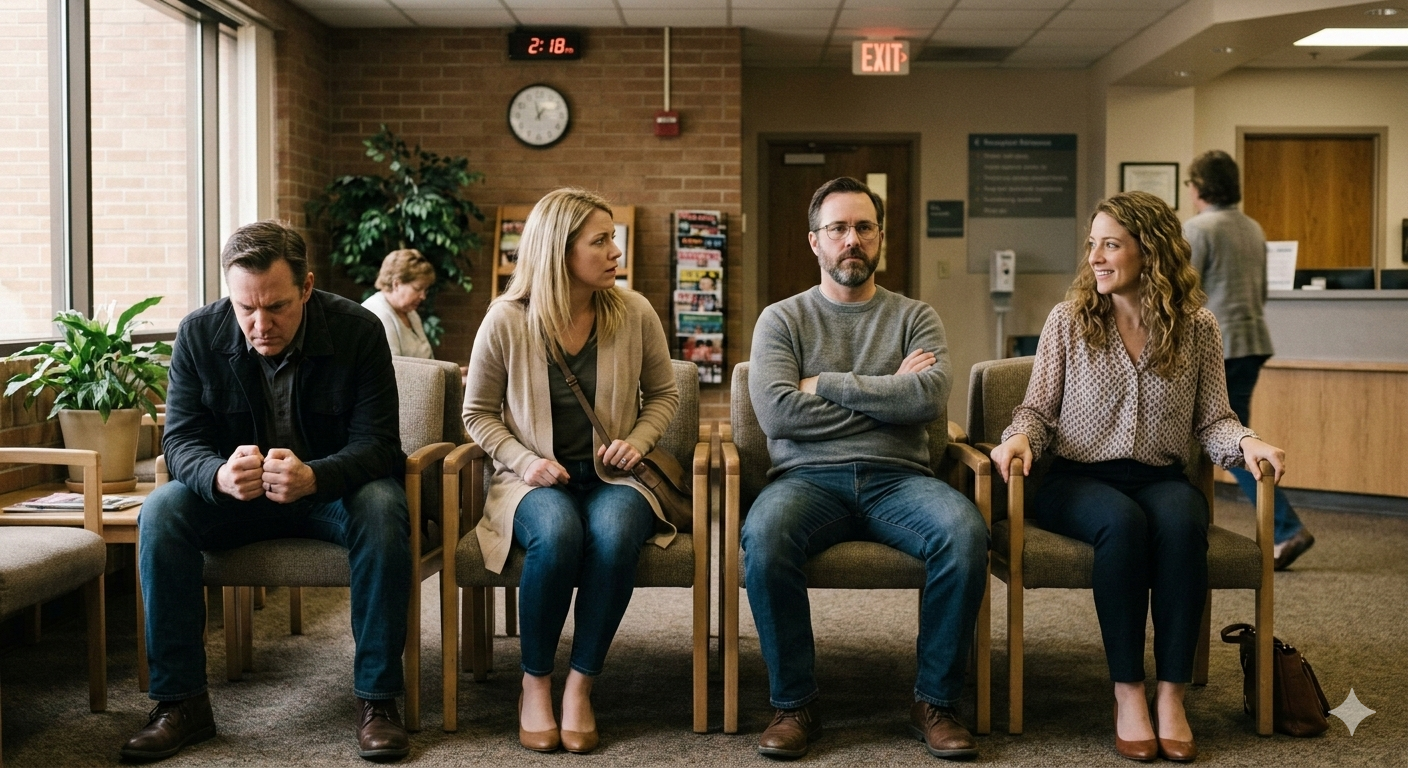
Imagine four children in the same home.
Their parents were not cruel. There was food on the table and a roof over their heads. But emotionally, the house was cold. Their mother was often shut down and distant. Their father could be unpredictable. Affection felt like something you had to earn.
Each of them found a different way to cope.
One learned to go quiet. To take up less space. To disappear a little, hoping that being small would keep things calm.
Another became the one who pushed back. Angry, reactive, easy to blame. He could not name what he was feeling, but his body found a way to say it.
Another became the peacekeeper. She learned to read the room, to manage her parents’ moods, to make herself easy and agreeable. She seemed fine. She was not.
And the last one left. Not physically, not yet. But she threw herself into school, into friends, into anything that got her out of the house and away from the feeling that something was wrong.
Four children. Four different responses. All of them trying to survive the same thing.
Why it can feel like hatred
Here is where the resentment comes from.
When emotional warmth feels scarce in a family, children learn to compete for whatever is available. Not because they choose to, but because it is what the situation teaches them.
The peacekeeper seemed to get more approval because she played the game well. From the quiet one's perspective, watching that, it could look like she was loved more. Like she took something that should have been shared.
The angry one's reactivity made him easy to blame. The one who left was easy to resent.
None of them chose their role. The family handed it to them.
And the painful truth is this: none of them got what they actually needed. Not even the peacekeeper, who looked like she had it easier. She had learned to trade her real self for approval, and that is its own kind of loss.
How the Survival Cycle keeps this alive
The resentment you feel toward a sibling does not usually stay in the past. It follows you.
Something happens. A comment at Christmas. A comparison your mother makes without thinking. A moment where your sister seems fine and you do not. And the old feeling comes back before you have had any time to prepare for it.
Your body reacts. Breath changes. Something tightens or goes flat.
This is the Survival Cycle at work. A trigger in the present touches something unresolved from before. The body responds as though the original situation is still happening. The mind tries to make sense of it, reaching for familiar stories: she always gets more, I was never enough, nothing has changed. And then comes the behaviour that brings short-term relief, pulling away, going silent, saying something sharp, before the whole thing settles and waits to run again.
The cycle is not your fault. But it is worth understanding, because that is where change begins.
What healing looks like

It rarely starts with the sibling relationship itself.
It starts with understanding your own part in the story. The role you took on. The survival response you developed. How it served you then, and where it gets in the way now.
It starts with grieving what was missing. Not rushing toward forgiveness before the grief has had space to breathe.
And it starts with recognising that the feeling you carry toward your sister may be holding something much older. Something that was never really hers to carry in the first place.
That is work worth doing. And it does not have to be done alone.
If any of this sounds like you, I would be glad to hear from you. I offer a free 20-minute consultation with no pressure and no commitment. Just a conversation to see if therapy might help.
Frequently Asked Questions
-
Feelings of intense resentment toward a sibling are more common than most people admit out loud. They are usually rooted in childhood family patterns rather than in anything your sister did or did not do. If you are carrying this feeling, you are not unusual and you are not a bad person.
-
Deep sibling resentment often comes from growing up in a family where emotional warmth and attention felt scarce. When parents are not able to support their children fully, siblings can end up in roles that create lasting tension between them. The resentment may be carrying grief, anger, and unmet needs that belong to the whole family story.
-
Yes. Therapy can help you understand the roots of sibling conflict, work through the feelings sitting underneath it, and get clearer on what you want from the relationship, or from the distance. The aim is not necessarily to repair the relationship, but to understand your own experience of it.
-
No. Healing does not require a repaired relationship. It requires understanding your own experience: the role you took on, the feelings you have been carrying, and what they are really about.
-
Sibling rivalry in adulthood usually has less to do with the sibling and more to do with what was happening in the family growing up. When emotional warmth felt limited, children learn to compete for whatever is available. Those roles and resentments carry into adult life. The rivalry is a sign of what the family could not provide, not a fixed feature of the relationship.
Recent Articles