THERAPY SERVICES
Depression Therapy Online
Gentle, recognition-first counselling for when everything has quietly gone flat.

Depression therapy online across the UK, for when everything has quietly gone flat.
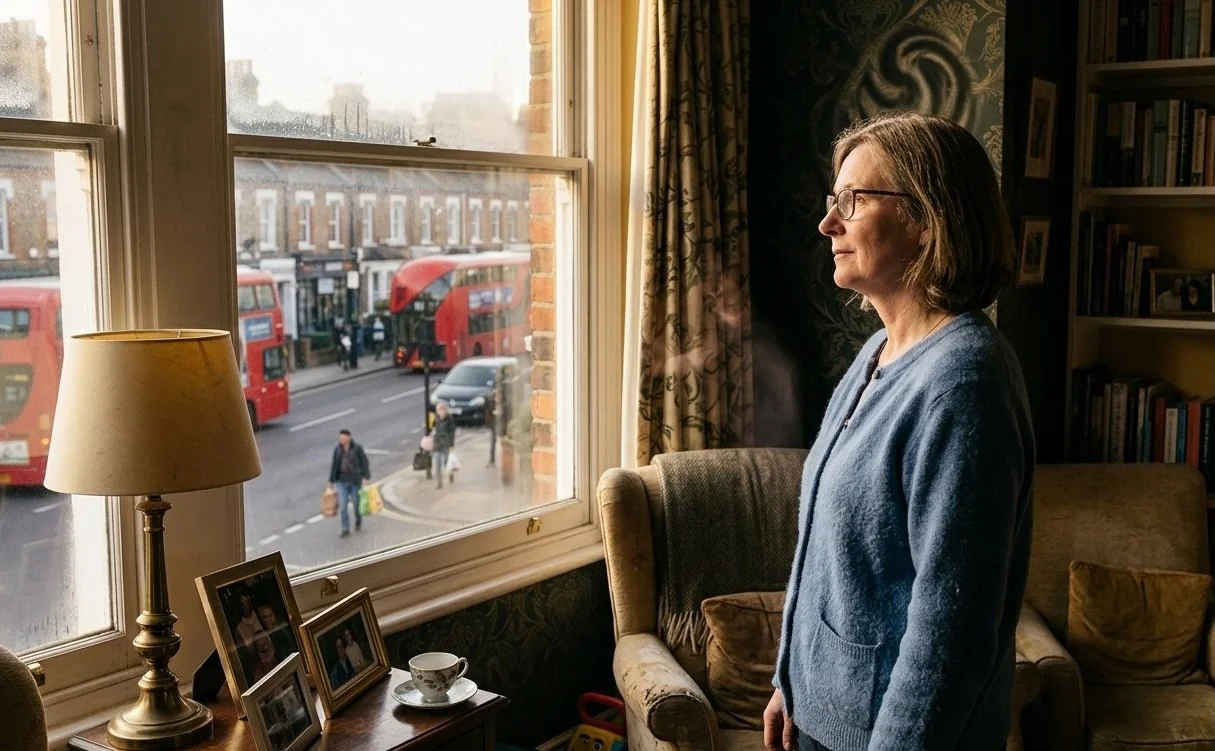
Depression does not always look like sadness. Sometimes it looks like getting through the day and feeling nothing much at the end of it. Sometimes it looks like going through the motions, smiling when you are supposed to, and wondering quietly why nothing lands the way it used to. If that sounds familiar, you are not alone, and nothing is broken about you.

Ways Depression Therapy can Help
Find space to explore difficult feelings.
Reconnect with yourself and others.
Explore ways to build confidence gently.
Discover hope and new possibilities.
Ease the weight of sadness and fatigue.
Develop your own coping strategies.
Book a Consultation and start your journey to a calmer, more confident you.
What Depression Actually Feels Like
Depression has a reputation. Most people imagine a person who cannot get out of bed, who cries a lot, who looks sad. That version exists, but it is only one shape of it.
Often depression feels much quieter than that. It can look like a low hum you cannot quite switch off. You get things done. You show up for work. You answer the messages. And underneath it all there is a flatness that nothing seems to reach. You used to enjoy things. Now they feel like tasks.
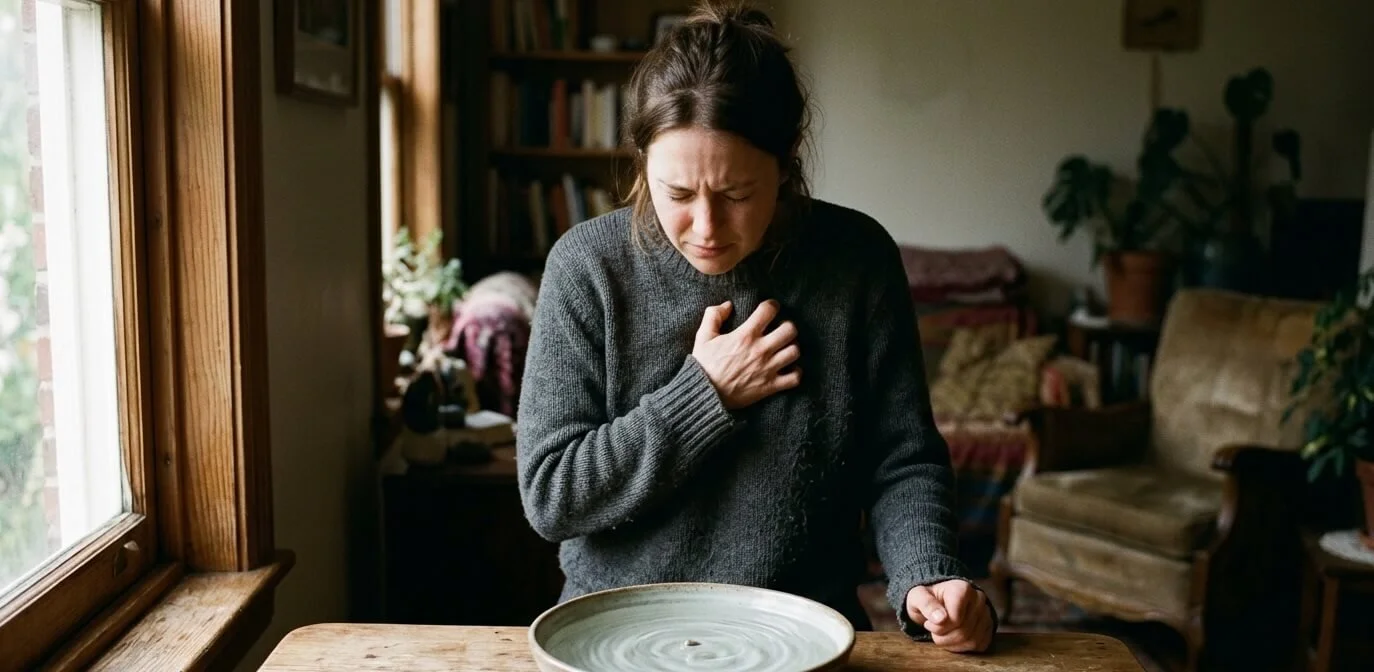
It can also feel physical. Tired in a way that sleep does not fix. Heavy in your body. Your appetite changes. Your focus slips. Small decisions take more effort than they should. You wonder if you are lazy, or difficult, or just ungrateful. None of those things are true.
Depression Is Not a Character Flaw
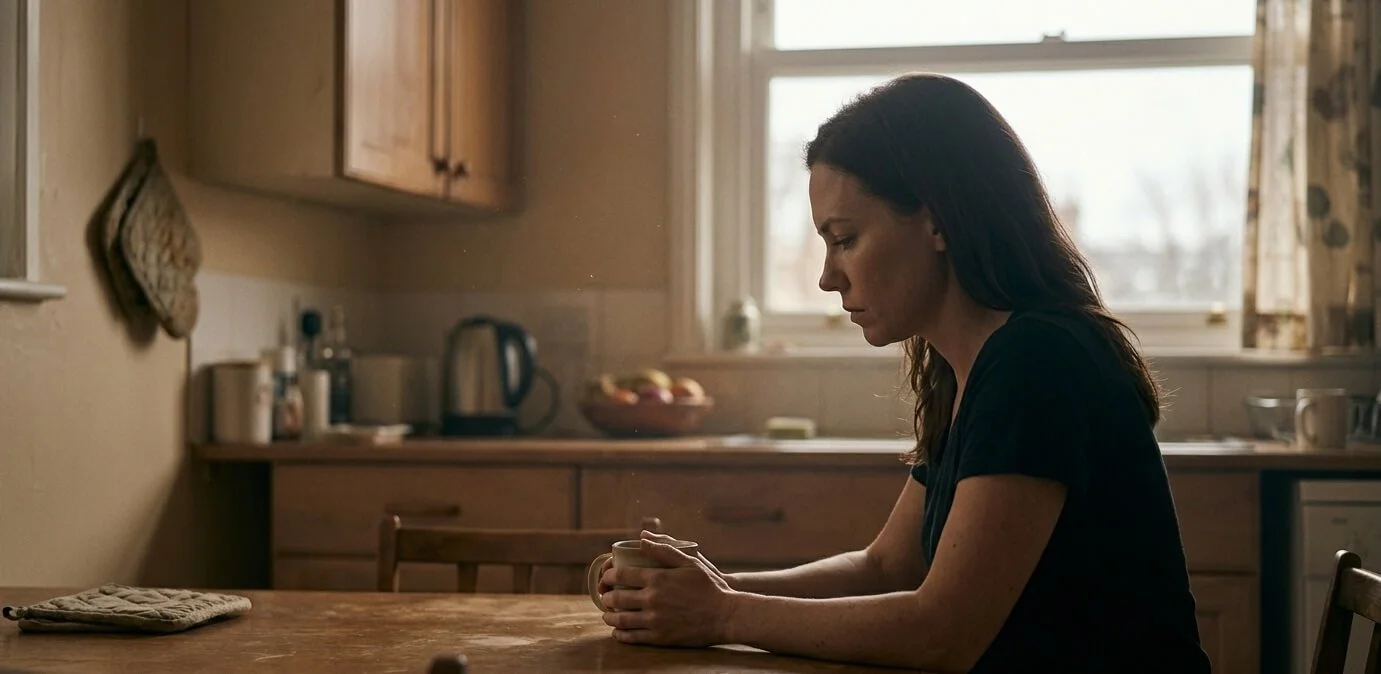
One of the kindest things you can hear about depression is that it is not a moral failure. It is your body and your nervous system responding to something. Sometimes that something is obvious, a loss, a change, a long stretch of stress that never ended. Sometimes it is not obvious at all, just a slow build of too much for too long. You can read more about how the body drives these states in the Survival Cycle blog.
When the system that is meant to protect you has been running hot for a long time, something eventually has to give. Shutdown is one of the ways the body protects itself when it no longer has the energy to keep fighting. It is a survival response, not a weakness. Understanding this is often the first place things start to shift.

When Depression and Anxiety Come Together
Depression rarely travels alone. For many people, depression and anxiety show up as a pair. One day you feel wired and restless. The next you feel flat and unable to move. Sometimes both in the same hour.
This is not two separate problems. It is the nervous system oscillating between trying to protect you through hyper-alertness and trying to protect you through shutdown. Neither state feels good. Both of them make sense when you look at what the body is trying to do. If this feels familiar, the anxiety therapy page may also be worth reading.
Depression and anxiety therapy that recognises this pairing can feel quite different from being told to "just think more positively". The work starts with understanding why your body is in this state, not with forcing it to be somewhere else.
How Depression Therapy Online Works With Me
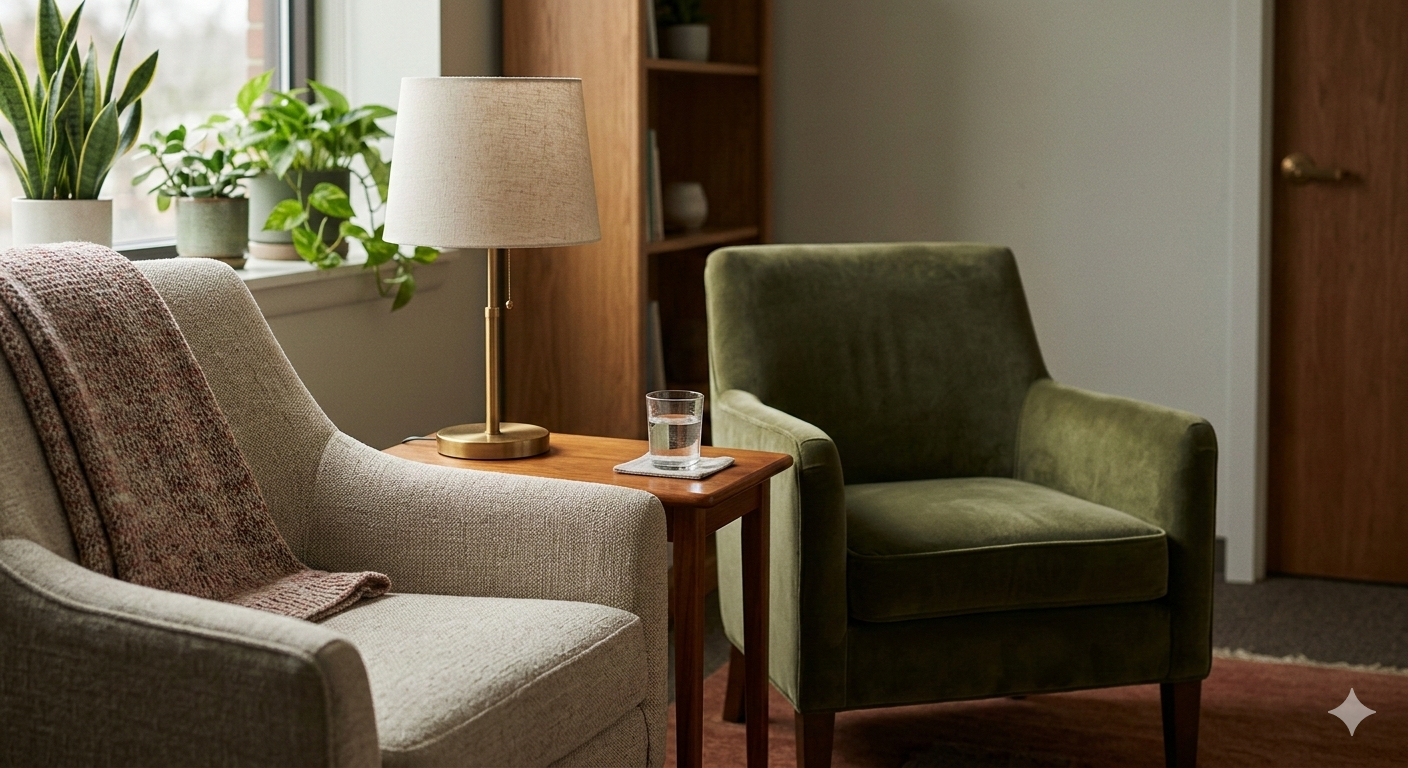
Online counselling for depression does not mean performing for a camera. It means meeting over video from wherever feels safe to you, in your own space, without the pressure of travel or waiting rooms. Sessions are 50 minutes. We work at your pace, not mine.
The aim is not to fix you. The aim is to help you understand what your body has been carrying, and why the shutdown or the flatness made sense for a while. Once that lands, things start to loosen. Slowly, and without force.
I work from a trauma-informed view. That does not mean I will assume you are traumatised. It means I take seriously the idea that depression is often a response to something, and that "something" deserves space. You can read more about my approach on the trauma therapy page.
Starting Out
There is no right moment to start therapy. Most people wait longer than they wish they had. If you have been thinking about it for a while, that is usually information worth listening to.
Sessions are £70 for 50 minutes and I work online across the UK. My practice is full at the moment and I am running a waitlist, so if you would like to work with me, add your name and I will be in touch as soon as a space opens. The first step when it does is a free 20 minute call, to see whether this feels like the right fit. If you are not sure where to start, you can message me first and ask anything you like. There is no pressure and no script.
FAQs
-
There is almost never one reason, and "why" is rarely a question that untangles quickly. What is usually more useful is what your body and nervous system have been carrying, for how long, and without what kind of support. Therapy does not hand you a label. It helps you understand the shape of what you are actually feeling and where it has come from.
-
For many people, yes. Talking to someone trained to listen without judgement can slowly loosen things that have been stuck for a long time. Therapy does not promise to remove depression on a schedule, but it can help you understand it, stop fighting yourself, and make space for small things to come back. The pace is yours.
-
Private therapy fees in the UK vary quite widely, roughly from £50 to £120 per session. My sessions are £60, which sits toward the lower end for an accredited counsellor working online. You pay per session, not upfront for a block, so you are never locked in.
-
If the flatness, the heaviness or the quiet sense that nothing lands has been there for more than a couple of weeks and is starting to touch the parts of life you care about, that is usually enough. You do not need to be in crisis. You do not need to have a reason that sounds serious enough. Wanting to talk to someone is reason enough.
-
Yes, often. What we call trauma is sometimes a single event, but much more often it is a long pattern of stress or lack of safety that the body has been managing on its own. Depression can be one of the ways the body eventually says it cannot keep running on empty. This is why it can help to work with someone who understands trauma, even if you do not think your story qualifies as traumatic.
-
Depression is very much a body experience, not just a thought one. The heaviness, the tiredness, the loss of appetite, the slowed-down feeling, these are not imagined. They are your nervous system in a protective state. Understanding depression as something your whole system is doing, rather than a flaw in your thinking, tends to change how it feels to live with.
Recent Articles